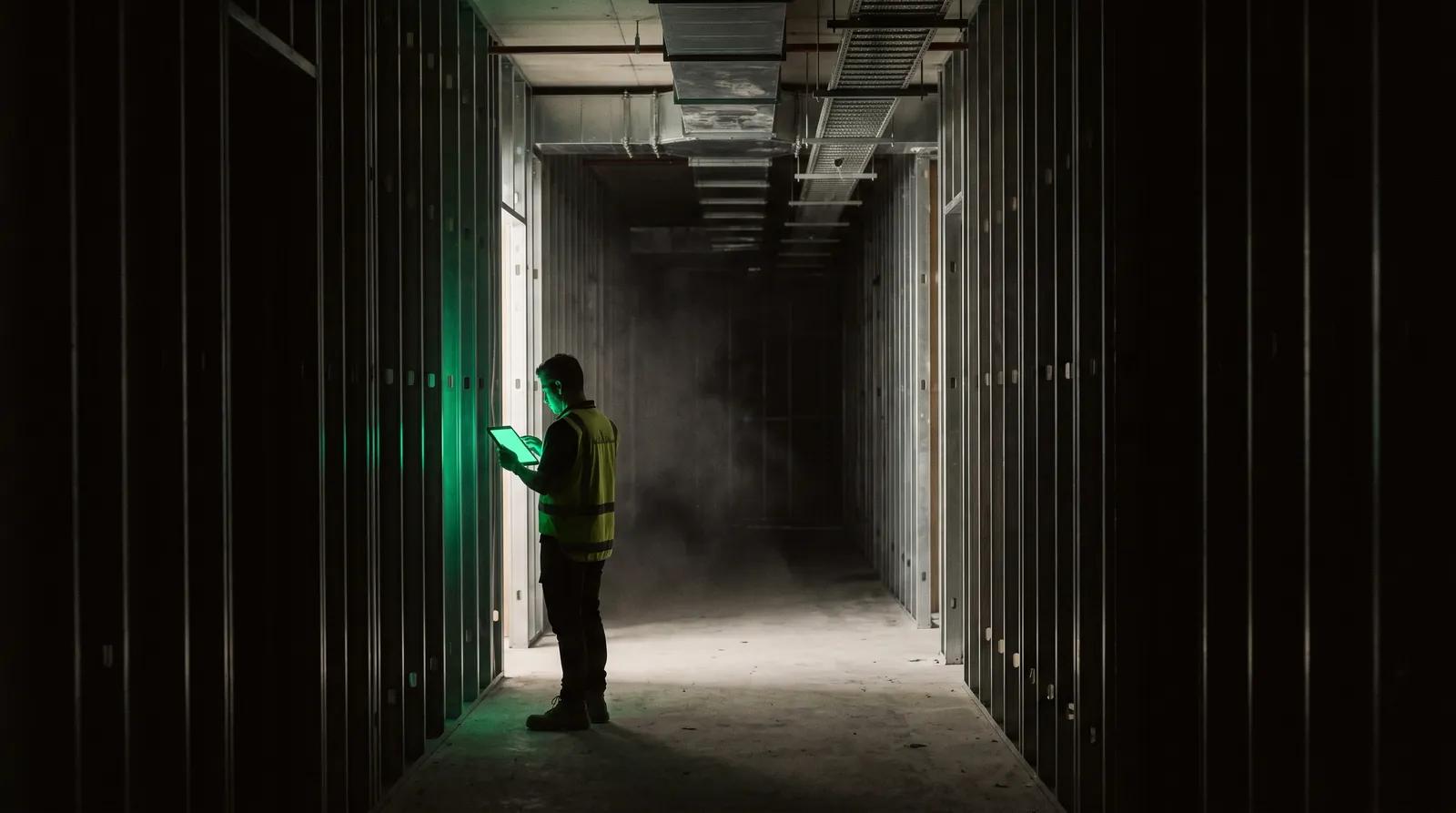
Site, crew and subbies
Purchase orders out, compliance docs back. Inspections, defects and timesheets captured on the slab and costed against the budget line they belong to — not re-keyed off a photo of a docket at 6pm.
Drop in the plans and Base runs the take-off, builds the estimate and plans the programme — automatically — then keeps the whole job moving. You stay across every decision.
CANCEL ANYTIME
Most PM tools stitch together five disconnected products. Base is one — so the estimate becomes the contract sum, the contract sum becomes the budget, and the budget is what you get claimed against. 15 moments where that matters, drawn below.
The estimate is where the job is won or lost, so this is where Base does its heaviest work — reading the set, pricing it off your own history, and refusing to move a number behind your back.
The part of the job that is really an admin job. Base sends the packages, chases the quiet ones, and lines the answers up against the same sections your estimate already uses.
A quote that lives at a link instead of in an attachment chain, an acceptance that records how the person was verified, and a win that only has to be keyed once.
An indicative programme before the quote and a baseline locked at award. A real CPM engine decides what moves — the model only ever proposes.
Estimate lines become units on the floor, scheduled against the capacity the workshop actually has, with the programme told the moment a machine slips.
Committed, claimed and actual against the line that was sold — then a closeout that will not close just because someone said it was finished.
Purchase orders out, compliance docs back. Inspections, defects and timesheets captured on the slab and costed against the budget line they belong to — not re-keyed off a photo of a docket at 6pm.

Background agents chase what people forget — ageing debtors, unreviewed subbie claims, a forecast nobody has touched in a month — and file the follow-up themselves.

Every rate in the book carries its evidence: who quoted it, when, and on which job. Base prices from your book — never from a guess, and never from a number buried in a prompt.
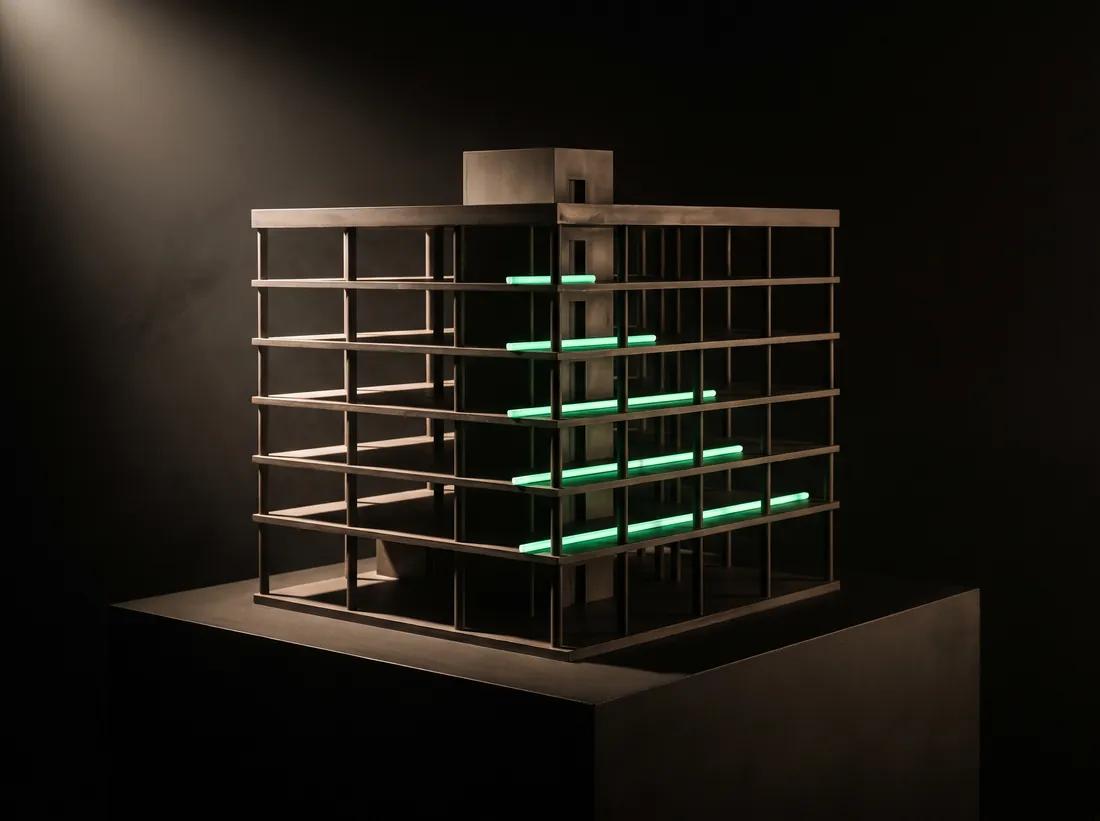
Dependencies, milestones and the critical path — and an A3 landscape print that goes on the wall, because that is still where half the team reads it.

Cost to complete per line, exposure from orders already committed, and a sweep that nags when a forecast has gone stale. Margin you can see moving, not a month-end surprise.
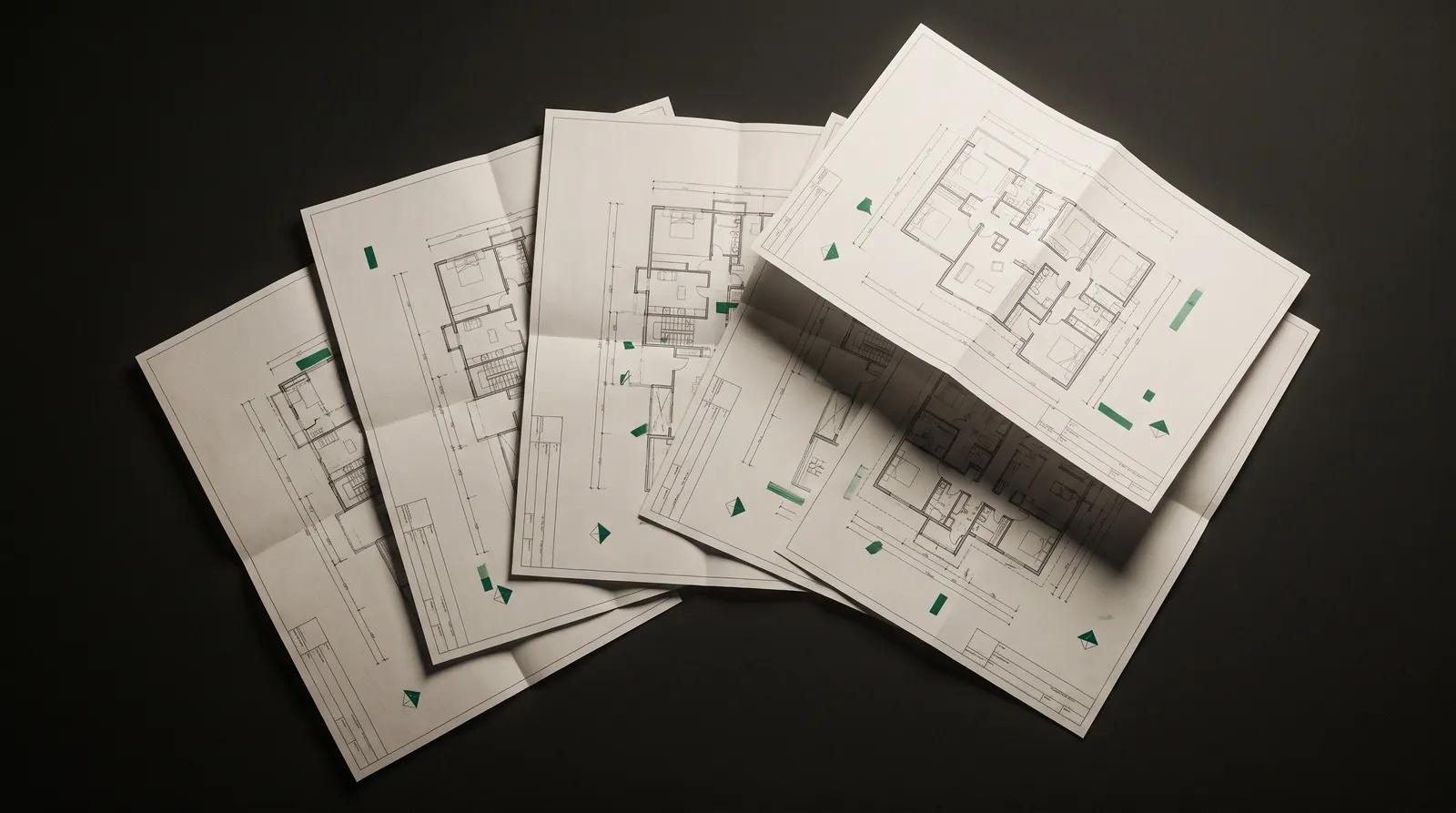
The current set, the superseded ones, and who has been issued what. The pages Base read stay linked to the estimate lines they priced, so a revision is a question you can answer instead of a hunt through an inbox.
One login, one set of numbers, nothing exported between products. Which of these your team gets depends on your plan.
One system, four jobs. The estimator, the PM, the foreman and the owner are all looking at the same project — just never at the same screen.
Drop the set, check the take-off, send the tender. Every job you price sharpens the rate book the next one is priced from.
Programme, variations, RFIs, claims and costs all hang off the same estimate lines — so the numbers agree without anyone reconciling them.
Purchase orders, inspections, defects and timesheets from the slab. No laptop, no second entry, no chasing the office for the current drawing.
Committed cost, cost to complete and forecast final margin on every job — and the estimate frozen at the win, so the budget cannot quietly drift away from it.
Base AI isn't a chatbot bolted onto a CRM. It edits your estimates, updates your programme, scans your plans and runs background tasks — using the same tools your team uses.
Multi-PDF parsing with per-page caching — fast on long sets.
Estimates, rate book, programme, variations — live, in your tenant.
"Hey Base" wake-word, push-to-talk, or just type.
Background agents that draft, check, and notify while you work.
Pin skill files & chat modes for niche workflows.
Learns your phrasing, margins and defaults — per user, team, project.
Your estimate becomes a project. The project becomes a programme. The programme drives the claims. Everything stays linked.

A PDF set, a photo of a sketch, or just describe the job in chat. Base reads every page — rooms, walls, fixtures — and turns them into quantities you can check.

Sections, line items, quantities and labour hours — priced from your own rate book and your own productivity rates, not a generic price list. Edit anything inline.

The estimate becomes the budget, the programme and the schedule of values — then freezes. Variations, defects, orders and subbies all hang off the same lines.

Progress claims with retention, costs against budget, cashflow you can forecast — then defects closed, sign-off, and the client portal they have had all along.
Including the ones with an awkward answer.
More on how any of this actually works on a job, in the blog.
Spin up an account in 60 seconds. Drop in a plan PDF and watch the agent take off, price and programme it on day one — or book a demo and we'll walk you through it on a live job.
CANCEL ANYTIME